A Symbol of Luxury and Adventure
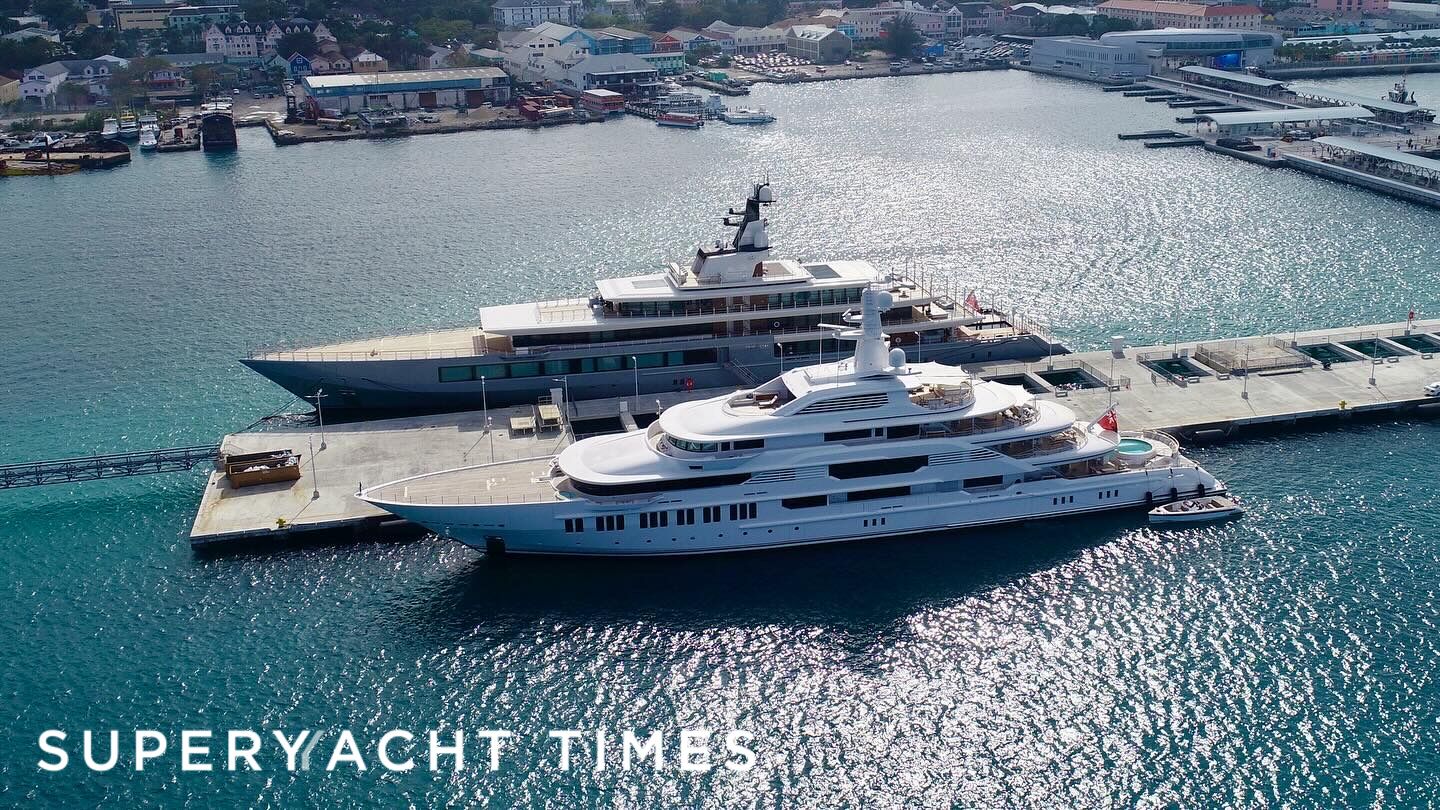
Yachts, those majestic vessels that gracefully glide across the open sea, have long been symbols of luxury and adventure. They offer a unique way to explore the world's most beautiful waterways while enjoying unparalleled comfort and opulence. Yet, beneath the gleaming surfaces and lavish interiors, there lies an environmental challenge that yacht enthusiasts and the maritime industry as a whole must confront - the carbon footprint of yachts.
The Environmental Reality
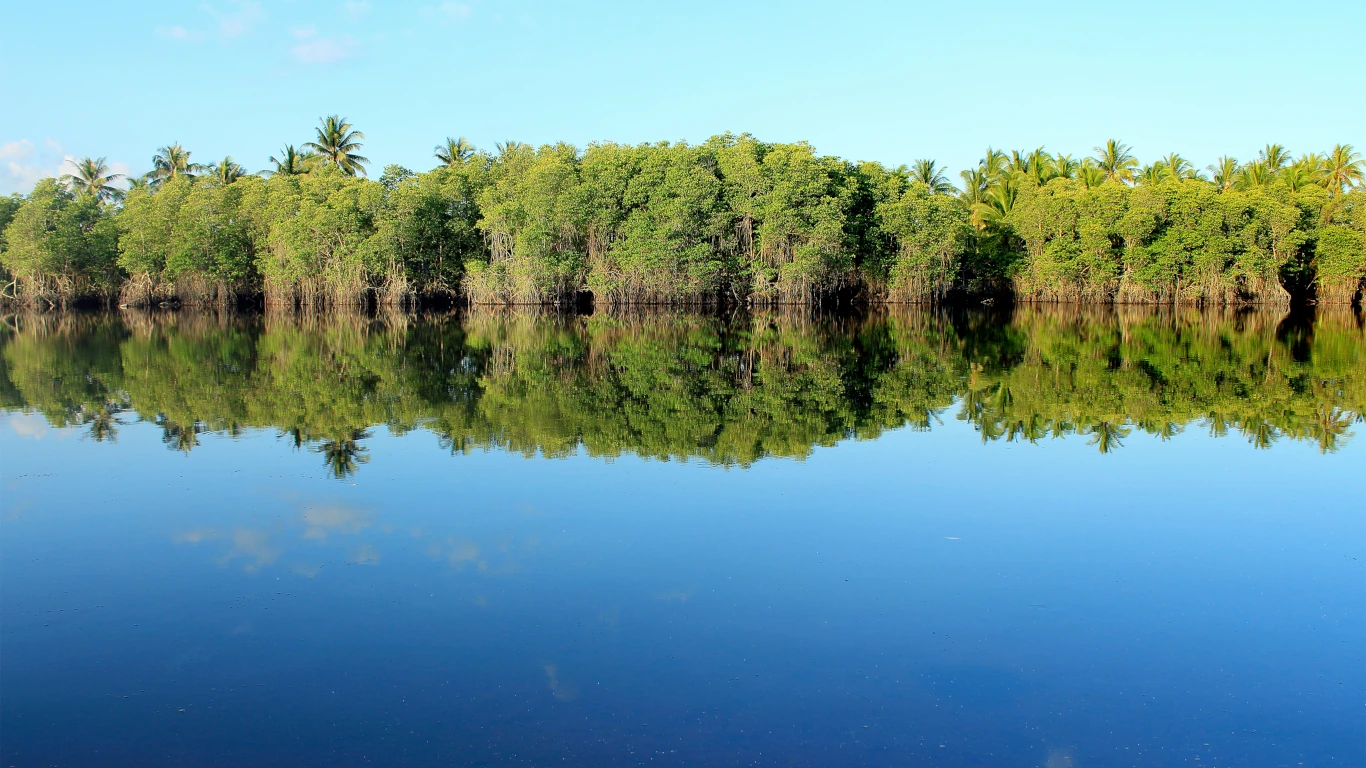
Before we delve into the intricacies of yacht emissions and environmental impact, it's essential to acknowledge the allure of yachting. The call of the sea has been enticing individuals for centuries, offering a sense of freedom, exploration, and serenity that few other experiences can match. Yachting represents the pinnacle of this maritime allure, where individuals can embark on journeys that take them to secluded coves, exotic islands, and breathtaking coastal destinations. It's a lifestyle that celebrates the beauty of the natural world while providing unparalleled comfort and luxury.
However, as the world becomes increasingly conscious of the environmental impact of human activities, it's important to recognize that yachting, like many other forms of transportation, is not without its ecological consequences.
Three Key Factors
Yachts, whether powered by traditional engines or advanced propulsion systems, can leave a significant carbon footprint in their wake. This footprint is primarily the result of three key factors:
Engine Emissions
Yachts are powered by engines that burn fossil fuels, typically diesel or gasoline. These engines release carbon dioxide (CO2), nitrogen oxides (NOx), and particulate matter into the atmosphere, contributing to air pollution and climate change. The more powerful the engine and the longer the yacht is in operation, the greater its emissions.
Energy Consumption
Yachts are equipped with various amenities, from air conditioning and lighting to entertainment systems and onboard kitchens. These luxuries require energy, often generated by generators or shore power. The energy demand of a yacht, especially a large one, can be substantial, leading to increased greenhouse gas emissions.
Maintenance and Materials
The construction and maintenance of yachts involve a range of materials and processes that have their own environmental impacts. Fiberglass hulls, anti-fouling coatings, and the disposal of waste materials all contribute to the overall ecological footprint of yachts.
Minimizing Environmental Impact
Recognizing the environmental challenges posed by yachting, many yacht owners, operators, and organizations are embracing responsible practices to minimize their impact on the environment. These practices include:
- Fuel Efficiency: Yacht designers and manufacturers are continually innovating to create more fuel-efficient vessels. Advanced propulsion systems, hybrid technology, and improved hull designs all play a role in reducing fuel consumption and emissions.
- Energy Conservation: Yacht owners are increasingly adopting energy-efficient technologies, such as LED lighting, smart climate control systems, and advanced insulation, to reduce onboard energy consumption.
- Waste Management: Proper disposal of waste materials, including plastics, chemicals, and sewage, is a priority for responsible yacht operators. Some yachts even incorporate advanced waste treatment systems to minimize their impact on the marine environment.
- Eco-friendly Hull Coatings: Anti-fouling coatings, which prevent marine growth on the hull, are now available in environmentally friendly formulations that minimize harm to aquatic life.
- Navigational Considerations: Responsible yacht operators take care to avoid sensitive marine areas, such as coral reefs and seagrass beds, to prevent damage to these fragile ecosystems.
The Path to Carbon Neutrality
While responsible practices can significantly reduce a yacht's environmental impact, achieving complete carbon neutrality can be a challenge. This is where carbon offsetting comes into play. Carbon offsetting is a mechanism by which individuals and organizations can invest in projects that reduce or capture an equivalent amount of carbon dioxide to offset their own emissions.
We offer yacht owners the opportunity to purchase certified carbon credits that match their emissions. These credits support a range of projects aimed at mitigating climate change and protecting the marine environment. One of our flagship initiatives is the planting of mangrove forests in partnership with environmental organizations.
Nature's Carbon Sequestration Champions
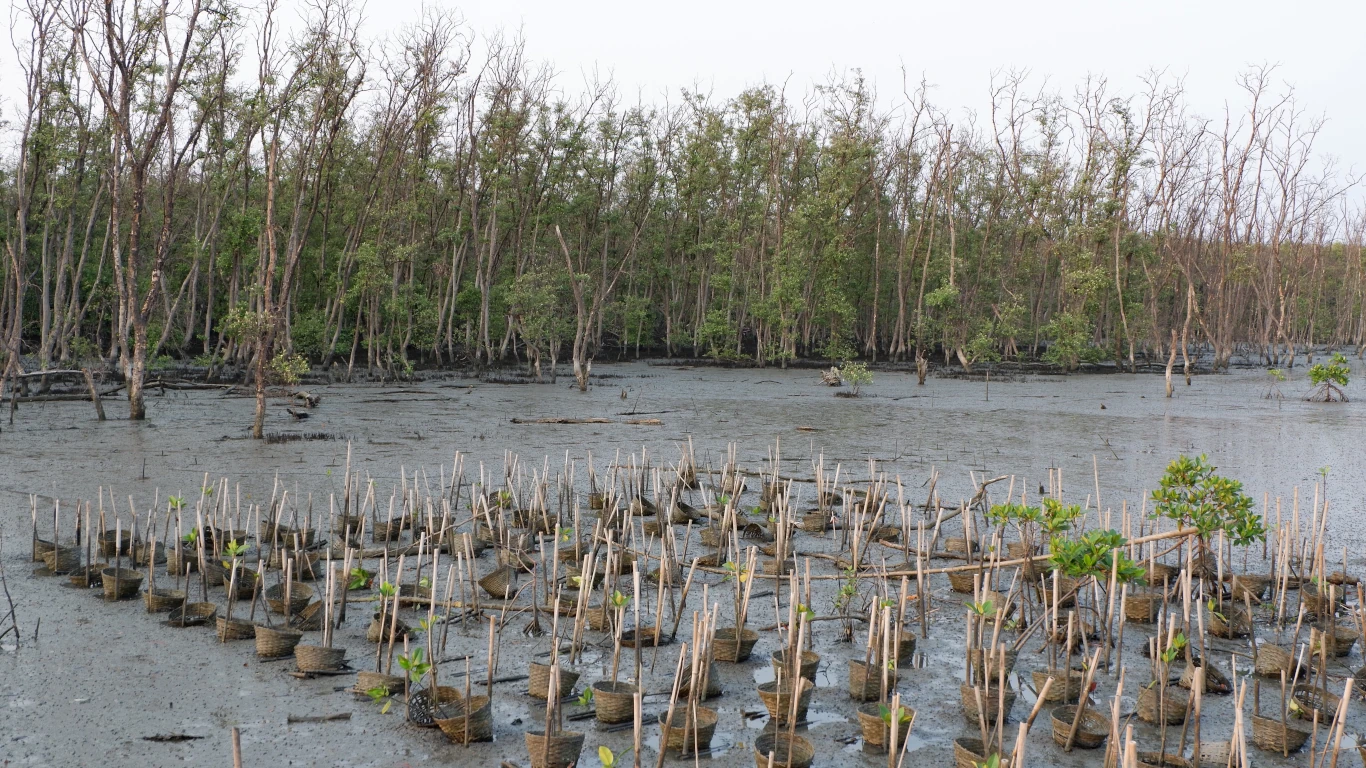
Mangrove forests are coastal ecosystems that exist in the intertidal zones of tropical and subtropical regions around the world. These unique ecosystems are characterized by a variety of salt-tolerant trees and shrubs, collectively known as mangroves, which have evolved to thrive in the challenging and dynamic environment where land and sea meet. While mangroves might appear as a tangled mess of roots and branches to some, they are, in fact, one of the most valuable ecosystems on Earth, offering a multitude of benefits to both the environment and human communities.
Carbon Sequestration and Climate Regulation
One of the most critical roles played by mangrove forests is their exceptional ability to sequester carbon dioxide (CO2) from the atmosphere. Mangroves are incredibly effective at carbon sequestration due to their dense and intricate root systems. The roots trap organic matter, such as fallen leaves and debris, preventing it from decomposing and releasing CO2 back into the atmosphere. As a result, mangrove forests store large quantities of carbon, sometimes even more per unit area than tropical rainforests.
Biodiversity Hotspots
Mangrove forests serve as vibrant and diverse ecosystems that support a rich array of wildlife. The complex network of roots and branches provides shelter and breeding grounds for numerous species of fish, crustaceans, mollusks, and birds. Many commercially important fish species, including snappers, groupers, and shrimp, rely on mangroves as nursery areas during their early life stages.
Coastal Protection and Erosion Control
Mangrove forests act as natural buffers, protecting coastlines from erosion caused by waves, tides, and storm surges. The dense root systems of mangroves stabilize coastal sediments and reduce the impact of wave energy, preventing land loss and damage to coastal infrastructure. In regions prone to tropical storms and hurricanes, mangroves play an essential role in mitigating the destructive effects of these natural disasters.
Water Quality Improvement
Mangroves are not only guardians of the coastline but also filters of the surrounding waters. Their roots trap sediments and pollutants, acting as natural water purifiers. As a result, mangrove ecosystems help improve water quality in coastal areas, benefiting both marine life and human communities that rely on clean water sources for drinking and livelihoods.
Climate Resilience and Adaptation
With rising sea levels and increased vulnerability to climate change impacts, mangrove forests are essential for the resilience and adaptation of coastal communities. They provide a natural barrier against sea-level rise, protecting low-lying coastal areas from inundation. Moreover, mangroves contribute to the stabilization of shorelines, reducing erosion and helping communities adapt to changing environmental conditions.
Economic and Societal Benefits
Beyond their ecological importance, mangrove forests offer significant economic and societal benefits. They support fisheries, provide traditional resources for local communities, such as timber and non-timber forest products, and promote eco-tourism opportunities. Additionally, mangroves enhance the overall well-being of coastal communities by offering protection from natural disasters, improving food security, and contributing to sustainable livelihoods.
Ecological Heroes for a Sustainable Future
In conclusion, mangrove forests are true ecological heroes, offering a wide range of benefits that extend far beyond their coastal boundaries. Their power lies in their ability to sequester carbon, support biodiversity, protect coastlines, improve water quality, and enhance the resilience of coastal communities. By recognizing and harnessing the power of mangrove forests, we can make significant strides in addressing climate change and preserving the natural wonders of our planet, all while offsetting the carbon footprint of our yachts and other activities.
Through partnerships with environmental organizations, carbon offset programs are planting mangrove forests in strategic coastal areas. These initiatives not only help combat climate change by capturing and storing carbon but also contribute to the preservation of invaluable coastal ecosystems and the well-being of coastal communities.
Ready to Offset Your Yacht's Carbon Footprint?
Contact us to learn more about our carbon offset programs and how you can contribute to mangrove restoration.